
Siding That Stops Water Before It Reaches Framing
Exterior Repair in Wilmington for homes where wood trim rots, paint peels early, or moisture stains interior walls
Homes built in Wilmington during the 1980s and 1990s often used fiber-cement siding or wood trim without adequate flashing details, and the coastal humidity accelerates decay wherever water is allowed to sit against porous materials. Wilmington Building and Remodeling performs exterior repair throughout the area with focus on identifying where original installation left gaps in weather protection, where caulk has failed, and where trim boards have absorbed enough moisture to lose structural integrity. This work is needed when paint blisters within a year of repainting, when corner boards pull away from the structure, or when you see water damage on interior drywall below windows or along rooflines.
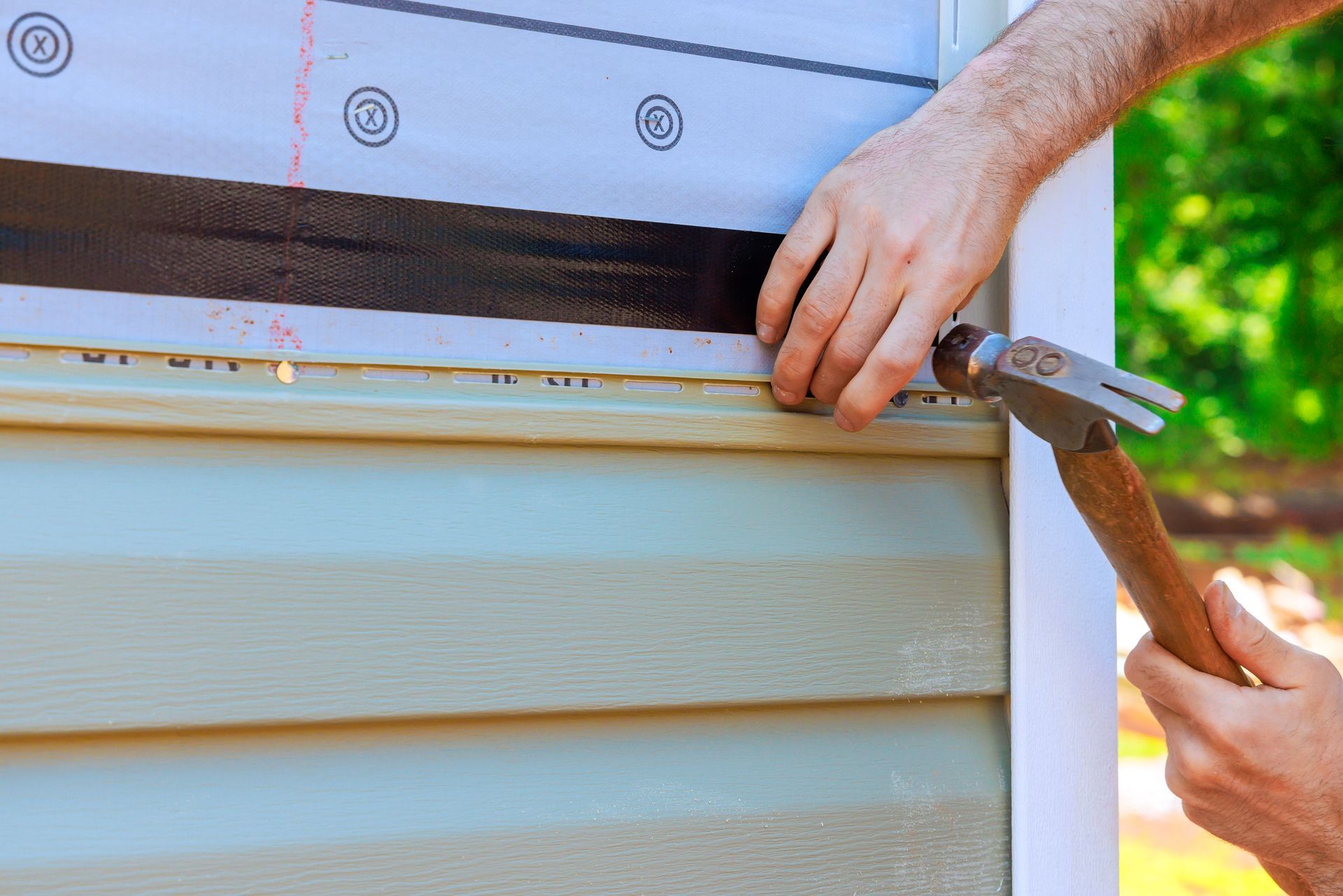
Damaged sections are removed to expose the sheathing and framing beneath, which are inspected for rot and treated or replaced before new materials are installed, and flashing is integrated so water is directed away from vulnerable joints rather than allowed to wick into end grain or behind siding. The repair addresses not just the visible decay but the underlying condition that allowed moisture intrusion in the first place.
Schedule a property evaluation to locate hidden moisture damage and assess the extent of framing or sheathing deterioration.
What You Notice Once Exterior Repairs Are Finished
The process involves removing enough material to verify that sheathing is sound and that no concealed rot extends beyond the obvious failure points, because water travels along framing members and can compromise areas several feet from where the damage first shows. Flashing is installed in layers, with each piece overlapping the one below so water can't reverse direction and infiltrate, and joints are sealed with materials designed to remain flexible as wood expands and contracts.
After completion, trim boards sit tight against the structure without gaps where insects or water can enter, paint adheres uniformly without bubbling, and interior walls no longer show moisture stains during heavy rain. The repairs restore the building envelope so conditioned air stays inside and exterior moisture stays out.
The work includes matching new materials to existing profiles and finishes where partial replacement is performed, and it accounts for code requirements related to egress windows, ventilation clearances, and fire-rated assemblies when sections near those features are opened.
Common Questions About This Service
Exterior repair projects often expose conditions that weren't visible until siding or trim was removed, and understanding what drives the scope helps you prepare for what the work will involve.
How do you determine how much material needs to be replaced?
Probing with an awl identifies soft spots in wood, and removal continues until solid material is reached, which may extend beyond the visibly damaged area if moisture has wicked along grain or behind adjacent pieces.
What happens when sheathing beneath the siding is damaged?
Rotted sections are cut back to the nearest stud, new sheathing is installed and fastened securely, and a weather-resistant barrier is applied before siding goes back on to prevent future moisture infiltration.
Why does flashing need to be installed in a specific sequence?
Each piece must overlap the one below it so gravity pulls water down and away from the building, and any reversal in that layering allows water to flow backward into wall cavities.
When should you address peeling paint on exterior trim in Wilmington?
If paint fails within two years of application or if you see soft spots in the wood, moisture is getting in from behind, and the substrate needs repair before new paint will adhere properly.
What is included in exterior repair versus full siding replacement?
Repair addresses localized failures and integrates new materials with existing, while full replacement strips the entire exterior to assess and correct underlying issues across the whole building envelope.
Wilmington Building and Remodeling identifies the source of moisture intrusion and restores the exterior envelope to prevent ongoing damage. Arrange a consultation to evaluate trim condition and flashing details around windows, doors, and roof transitions.